Check out our packages!

Where to Go on a Budget in Summer 2026 ? 5 Safe Destinations to Discover
Are you looking for ideas for safe and affordable holiday destinations for summer 2026 ? Given the current geopolitical climate , are you looking for a holiday destination not too far from home but still far enough away to relax on the beaches of a paradise island with guaranteed sunshine ? And all without breaking the bank because you’re on a tight budget ? It’s possible ! Here are 5 ideas for cheap and safe holiday destinations for summer 2026 !
DESTINATIONS DE VACANCES - HOLIDAY DESTINATIONS
le Colibri
3/20/202610 min read
1. Landscapes and nature
• Laurisilva forests: Listed as a UNESCO World Heritage Site, these primary forests are home to a unique biodiversity.
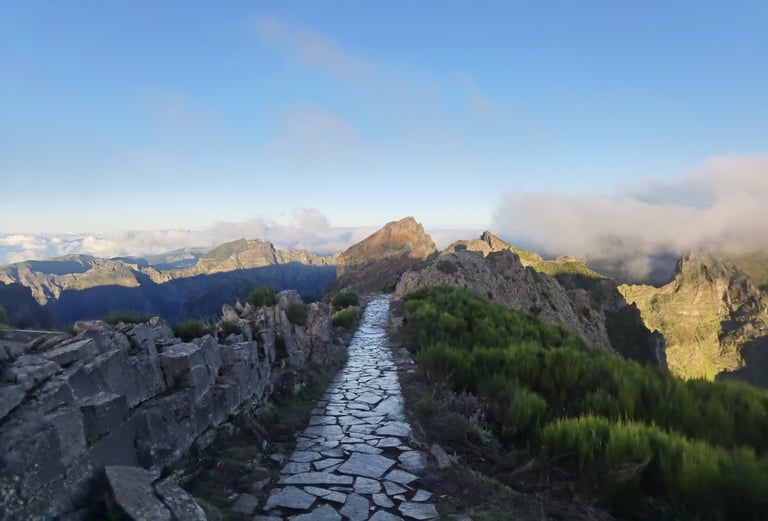
• Pico do Arieiro and Pico Ruivo: Two of the island’s highest peaks, accessible via spectacular hiking trails (notably the trail linking the two peaks).
• Levadas: Irrigation channels converted into hiking trails, passing through mountains, tunnels and waterfalls (e.g. Levada do Caldeirão Verde, Levada das 25 Fontes).
• Botanical gardens: Such as the Funchal Botanical Garden or the Monte Palace Tropical Garden.
2. Towns and culture
• Funchal: A lively capital, blending colonial architecture, colourful markets (Mercado dos Lavradores) and a seafront.
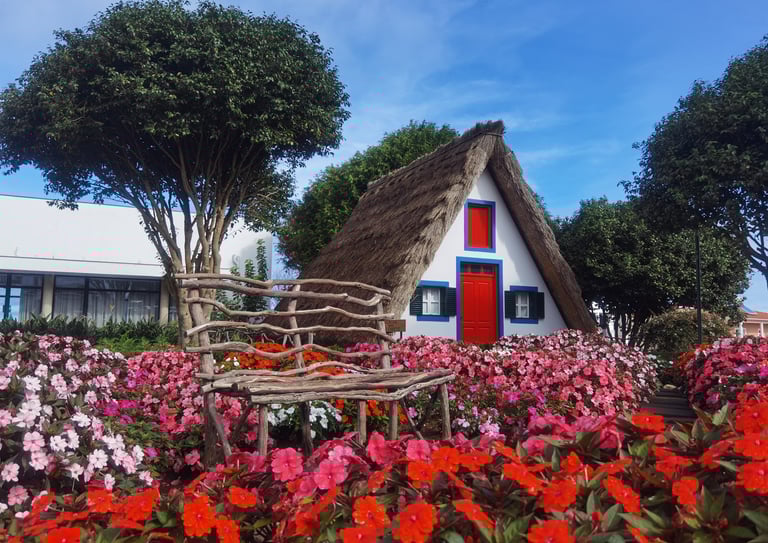
• Santana: A village known for its traditional thatched-roof houses.
• Câmara de Lobos: A picturesque little fishing port, dear to Winston Churchill.
3. Beaches and coastline
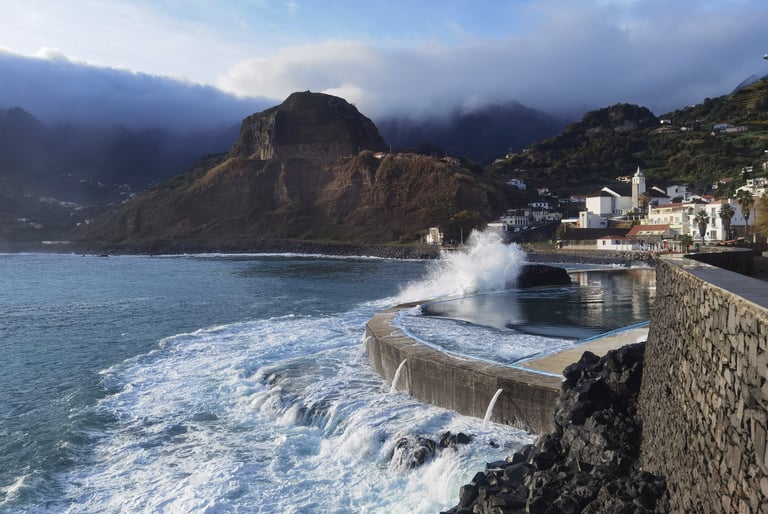
• Pebble beaches (such as in Porto Moniz) and black sand beaches (such as in Seixal).
• Natural pools: Formed by volcanic rocks (e.g. the natural pools of Porto Moniz).
4. Cuisine
• Espetada: Grilled beef skewers, a local speciality.
• Bolo do caco: Traditional bread, often served with garlic and butter.
• Madeira wine: Famous sweet wine, to be enjoyed in the cellars of Funchal.
• Tropical fruits: Pineapples, bananas, passion fruit (maracuja) of all kinds.
5. Activities
• Hiking: Over 200 marked trails, suitable for all levels.
• Whale and dolphin watching (seasonal): Boat trips off the south coast.
• Funchal Cable Car: To admire the view of the city and the sea.
6. Must-see attractions
• Cabo Girão: Home to some of Europe’s highest cliffs, offering breathtaking views of the ocean.
• Pontinha: A historic district of Funchal with a traditional atmosphere.
• Curral das Freiras: A secluded village nestled in a mountain cirque, accessible via a winding road.
In short, Madeira is ideal for:
• Hikers: For the levadas and mountains.
• Nature lovers: For the forests, flowers and spectacular scenery.
• Foodies: For the local cuisine and Madeira wine.
• Travellers seeking relaxation: For the gardens, natural pools, black-sand beaches and mild climate.
Madeira is an ideal destination for those seeking unspoilt nature, varied and spectacular landscapes, a rich culture and delicious cuisine. The island is easy to explore by car and offers a wide range of activities, from relaxation to adventure.
Santo Antão
• Spectacular landscapes:
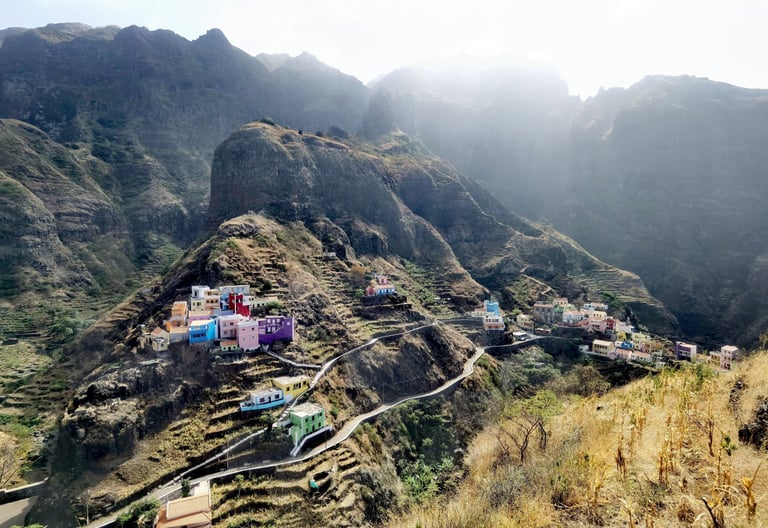
◦ Lush green valleys (Paúl, Ribeira Grande) and rugged mountains (Topo de Coroa, the island’s highest point).
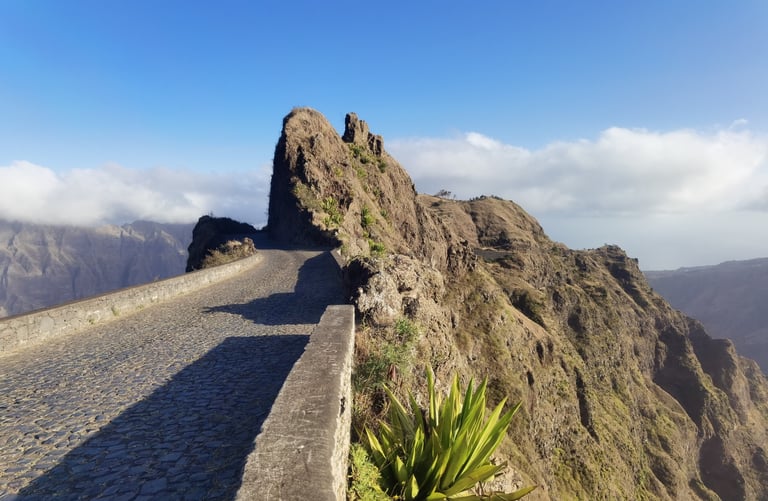
◦ Some of the most beautiful hikes on the islands: trails linking villages, terraced fields, waterfalls.
• Culture and villages:
◦ Ribeira Grande: Former capital, colonial houses, authentic atmosphere.
◦ Mountain villages (Fontainhas, Cha de Igreja): Traditional architecture, crafts.
• Cuisine:
◦ Cachupa (national dish), fresh fish, tropical fruits
◦ Grogue (local rum); there are hundreds of different distilleries on the island.
• Activities:
◦ Hiking, exploring local crafts (pottery, basketry)
Ideal for nature lovers and hikers (some trails are very long and spectacular, others easier along the ridges, there’s something for everyone!)
São Vicente
• Culture and music:
◦ Mindelo: A lively port city, the cultural capital of Cape Verde and the birthplace of morna (Cesária Évora lived here).
◦ Baía das Gatas Festival (August): Open-air concerts, a festive atmosphere.
• Beaches and landscapes:
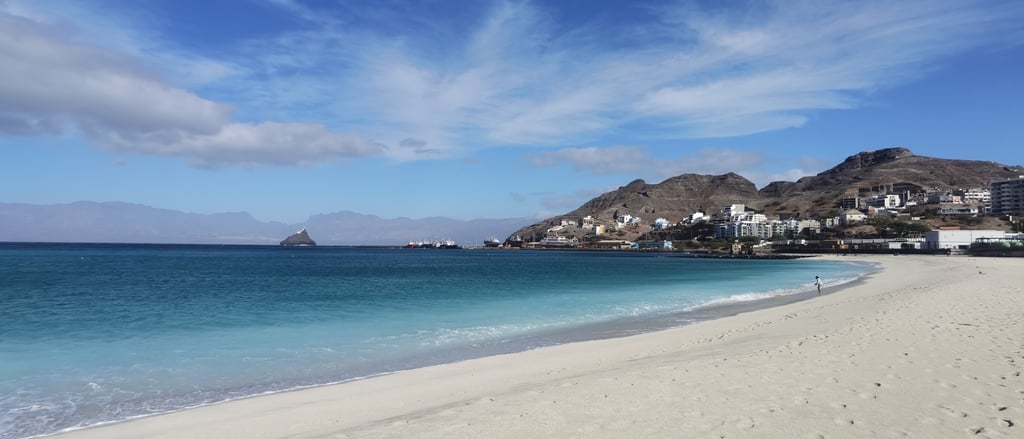
◦ Baía das Gatas: White sandy beach, turquoise waters, kitesurfing spot.
◦ Praia Grande: Long, unspoilt beach, ideal for relaxation.
• History and architecture:
◦ Mindelo’s historic centre: Colourful houses, craft market, cosmopolitan atmosphere.
• Activities:
◦ Water sports, visiting local markets, nightlife (bars and restaurants in Mindelo).
Perfect for travellers seeking culture, beaches, music and a relaxed urban atmosphere. Ideal as a starting point for visiting Santo Antao, as there is no airport on the other island and you must cross by boat.
Sal
• Dream beaches:
◦ Santa Maria: White sandy beach, crystal-clear waters, world-famous kitesurfing and windsurfing spot.
◦ Pedra de Lume: Salt lagoon with turquoise waters, a unique swimming experience.
• Water sports:
◦ Kitesurfing, windsurfing, diving: Ideal conditions thanks to constant winds (trade winds).
• Desert and lunar landscapes:
◦ Terras de Sal: Arid landscapes, dunes, abandoned salt mines.
• Nightlife and relaxation:
◦ Santa Maria: Restaurants, bars, international atmosphere.
• Activities:
◦ Boat trips, turtle watching, quad biking in the desert.
Ideal for those who love to relax, enjoy water sports and desert landscapes, for those who prefer a more laid-back pace and appreciate the ‘all-inclusive’ concept
In summary:
• Santo Antão is a paradise for hikers and those seeking an authentic Cape Verdean experience.
• São Vicente charms visitors with its cultural scene, music, relaxed urban atmosphere and proximity to Santo Antão.
• Sal attracts lovers of beaches, water sports and desert landscapes.
Archaeological sites
• Palace of Knossos: The most famous Minoan site, linked to the myth of the Minotaur and King Minos.
• Gortyn and Phaistos: Other major remains of Minoan civilisation.
• Heraklion Archaeological Museum: Home to unique treasures, such as the ‘Prince with the Lilies’ fresco.
Beaches
• Elafonissi: A beach with pink sand and turquoise waters, a paradise for families and photographers.
• Balos: A shallow lagoon, accessible by boat or after a hike.
• Vai: A fine sandy beach bordered by a palm grove, the largest in Europe.
• Matalá: A wild cove with caves, a former hippie colony.
Hikes
• Samaria Gorge: A legendary 16 km hike, designated a nature reserve.
• White Mountains (Lefka Ori): Lunar landscapes and steep trails.
• Lassithi Plateau: Known for its windmills and caves (such as the Cave of Zeus).
The villages
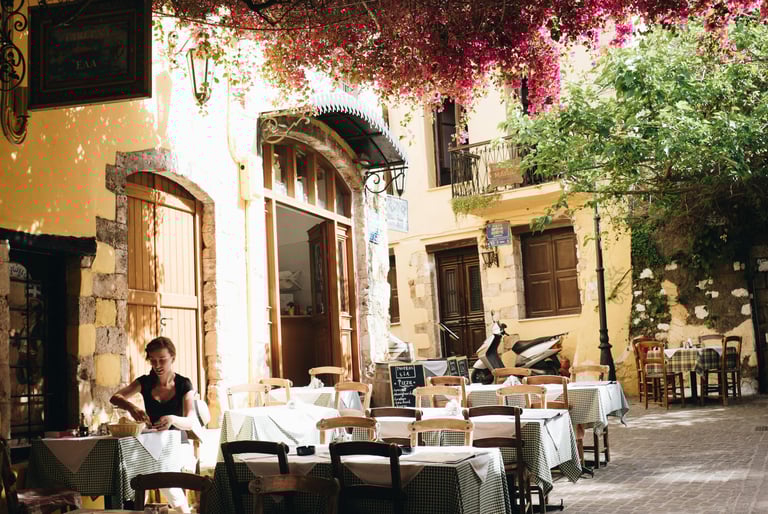
• Chania: A charming Venetian town, with its old harbour and colourful narrow streets.
• Rethymnon: A blend of Venetian and Ottoman architecture, with a lively atmosphere.
• Traditional villages: Such as Zoniana, Anogia or Archanes, where you can discover Cretan crafts and cuisine.
Cuisine
• Olive oil: Crete is one of the world’s leading producers.
• Local cheeses: Graviera, myzithra, anthotyro.
• Specialities: Dakos (Cretan salad), kalitsounia (pastries), raki (local spirit).
• Seaside restaurants: To enjoy fresh fish and traditional dishes.
Things to do
• Water sports: Diving, kitesurfing and, of course, the beach
• Boat trips to other islands
• Exploring sites such as Arkadi or Preveli
In short, Crete is ideal for:
• History buffs: For Minoan sites and museums.
• Hikers: For the Samaria Gorge and the mountains.
• Families: For the shallow beaches and welcoming villages.
• Foodies: For Cretan cuisine, renowned for being healthy and delicious.
• Travellers seeking authenticity: For the unspoilt villages and the legendary hospitality of the Cretans.
In summary: Crete is a multifaceted island where you can alternate between relaxing on idyllic beaches, exploring ancient sites, enjoying spectacular hikes and discovering a rich and generous culture. Accessible by plane from France (direct flights to Heraklion or Chania), it is suitable for all types of travellers.
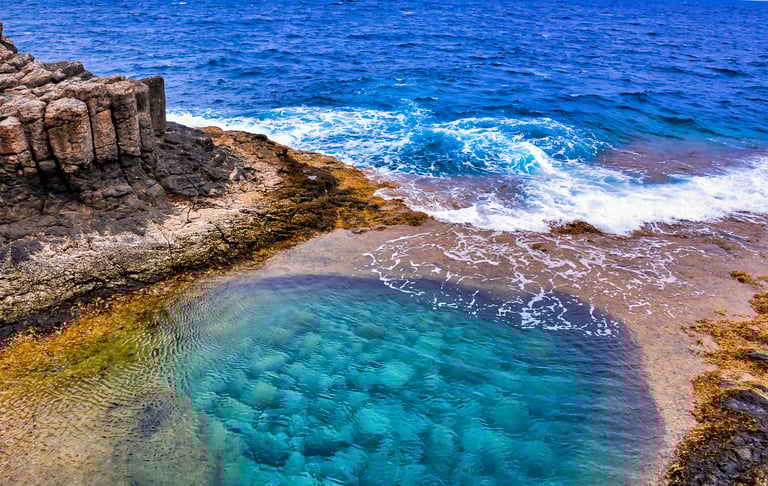
Tenerife
• Nature and landscapes:
◦ Teide: Spain’s highest peak (3,718 m), a UNESCO World Heritage Site, with lunar landscapes.
◦ Anaga: Primeval forest and hiking trails, a biosphere reserve.
◦ Los Gigantes: Spectacular cliffs, whale and dolphin watching.
• Beaches:
◦ Playa de las Teresitas (golden sand imported from the Sahara).
◦ Black sand beaches (such as in Puerto de la Cruz).
• Culture and towns:
◦ Santa Cruz de Tenerife: Lively capital, modern and historic architecture.
◦ La Laguna: A colonial town listed as a UNESCO World Heritage Site.
• Activities:
◦ Hiking, stargazing (clear skies over Mount Teide), water parks (Siam Park), nightlife (Playa de las Américas).
Ideal for lovers of nature, hiking, varied beaches and culture.
Gran Canaria
• Diverse landscapes:
◦ Maspalomas Dunes: A sandy desert and oasis, a unique landscape.
◦ Roque Nublo: The island’s symbol, a legendary hike.
◦ Lush green valleys (such as Fataga or Agaete).
• Beaches:
◦ Playa de Amadores (golden sand, calm waters).
◦ Playa de Güigüi (untouched, accessible by hike or boat).
• Culture and towns:
◦ Las Palmas: A vibrant city, the historic district of Vegueta, the urban beach of Las Canteras.
◦ Traditional villages: Teror, Firgas, Aguimes.
• Activities:
◦ Water sports, golf, cycling, festivals (Las Palmas Carnival).
Perfect for those looking for an island with many facets: beaches, desert, mountains and culture.
La Palma
Unspoilt nature:
◦ Caldera de Taburiente National Park: A giant crater, spectacular hikes.
◦ Los Tilos Forest: A biosphere reserve, lush vegetation.
◦ Volcano Route: Lunar landscapes and walking trails.
Beaches:
◦ Black sand beaches (such as those at Puerto Naos or Tazacorte).
Culture and villages:
◦ Santa Cruz de La Palma: Colonial architecture, peaceful atmosphere.
◦ Colourful villages: Garafía, Barlovento.
Activities:
◦ Hiking, stargazing (the island is a Starlight Reserve), diving.
Ideal for lovers of nature, tranquillity and spectacular landscapes.
In summary:
Tenerife captivates with its iconic volcano, varied beaches and comprehensive range of tourist attractions.
Gran Canaria charms with its diversity: desert, mountains and beaches, all within easy reach.
La Palma is a haven of peace for hikers and lovers of unspoilt nature.
Mallorca
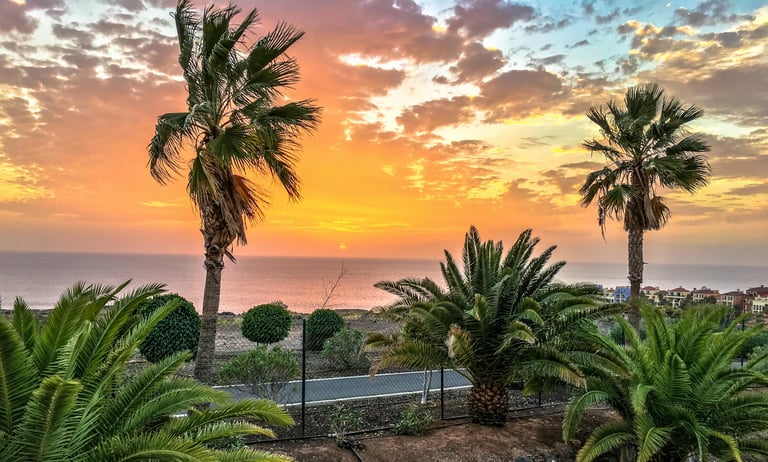
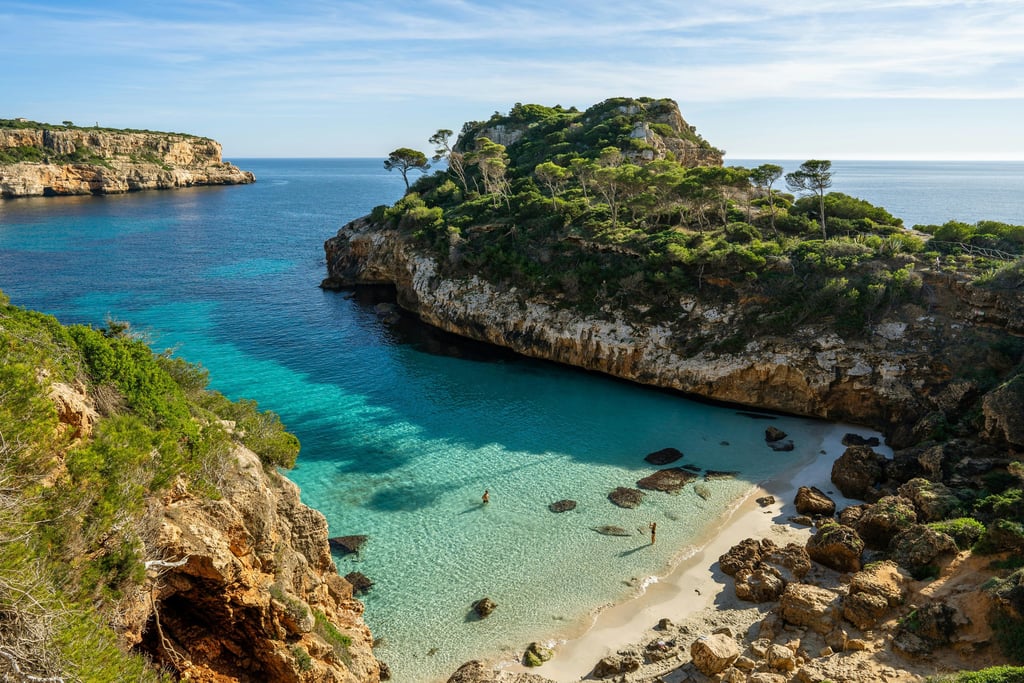
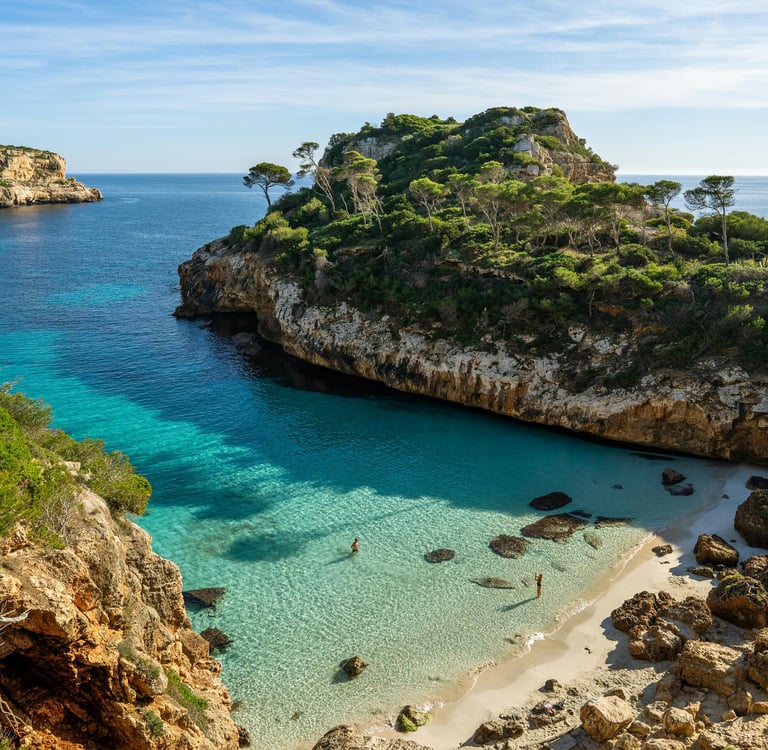
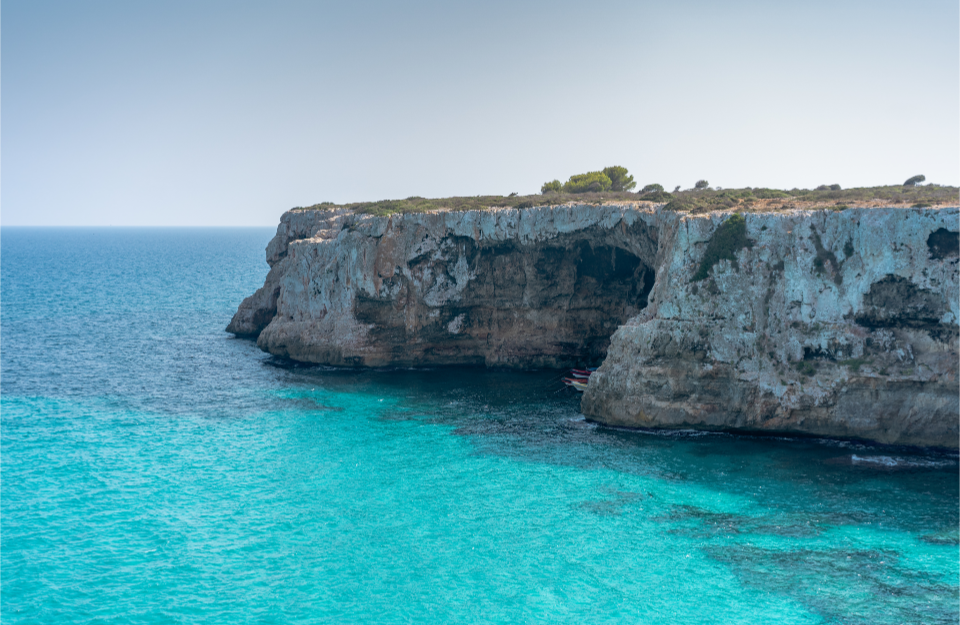
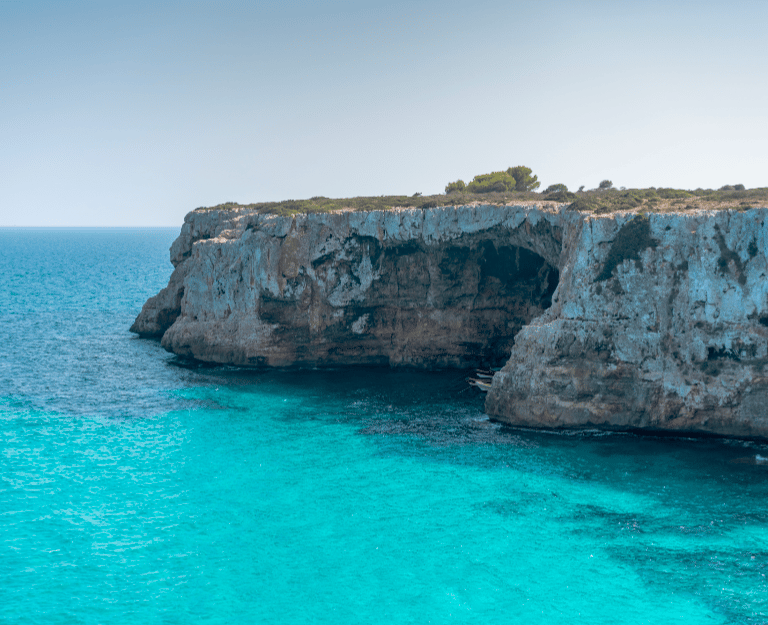
• Mallorca boasts fine sandy beaches (such as Playa de Palma or Es Trenc, often compared to the Caribbean) and unspoilt coves (Cala Varques, Cala Deià).
• Culture and history: The capital, Palma de Mallorca, charms visitors with its Gothic cathedral (La Seu), its historic quarter and its museums. The mountain villages (Valldemossa, Sóller) offer a traditional charm.
• Nature and hiking: The Serra de Tramuntana (a UNESCO World Heritage Site) is a hiker’s paradise, with mountain scenery, olive groves and picturesque villages.
• Gastronomy: Local specialities such as sobrasada (a cured meat), ensaimadas (pastries) and local wines (Binissalem).
• A variety of activities: Golf, water sports, water parks, and a lively nightlife (particularly in Magaluf or Palma Nova).
In short, Mallorca is perfect for families, culture lovers, nature enthusiasts and those looking to relax.
Menorca
• Unspoilt beaches: Menorca is renowned for its white sandy beaches and turquoise waters (Cala Macarella, Cala Turqueta, Cala Galdana). The island is designated a UNESCO Biosphere Reserve.
• Authentic atmosphere: Less touristy than Majorca, Menorca has managed to retain its rural charm and traditions (whitewashed villages such as Ciutadella or Fornells).
• Nature and biodiversity: Nature reserves (such as the S’Albufera des Grau Nature Reserve), hiking trails (Camí de Cavalls, a historic path that circles the island).
• Cuisine: Local cheeses (such as Mahón), fish soups, and simple, flavourful Mediterranean cuisine.
• Activities: Water sports (kayaking, diving), horse riding, and exploring archaeological sites (talayots, prehistoric remains).
In short, Menorca is perfect for travellers seeking tranquillity, nature and authenticity.
Majorca and Menorca offer complementary experiences within the Balearic Islands. Majorca captivates with its diversity and liveliness, whilst Menorca charms with its calm and unspoilt nature. Both islands are accessible by plane from France and well served by local transport.
Where can you go on a budget this summer of 2026 ? Here are 5 ideas for safe holiday destinations , not too far away and on an island !
We’re all looking to go on holiday this summer , but we also know full well that everything’s more expensive during the school holidays ! So why not head abroad ?
Are you worried about the current geopolitical climate and don’t want to take your family somewhere too close to conflict zones right now ? Are you worried about getting stuck on the other side of the world ? Are you on a tight budget ? We understand, but don’t let that stop you from treating yourself to a holiday !
Follow our advice and choose from 5 safe, affordable destinations not too far from home !
Madeira
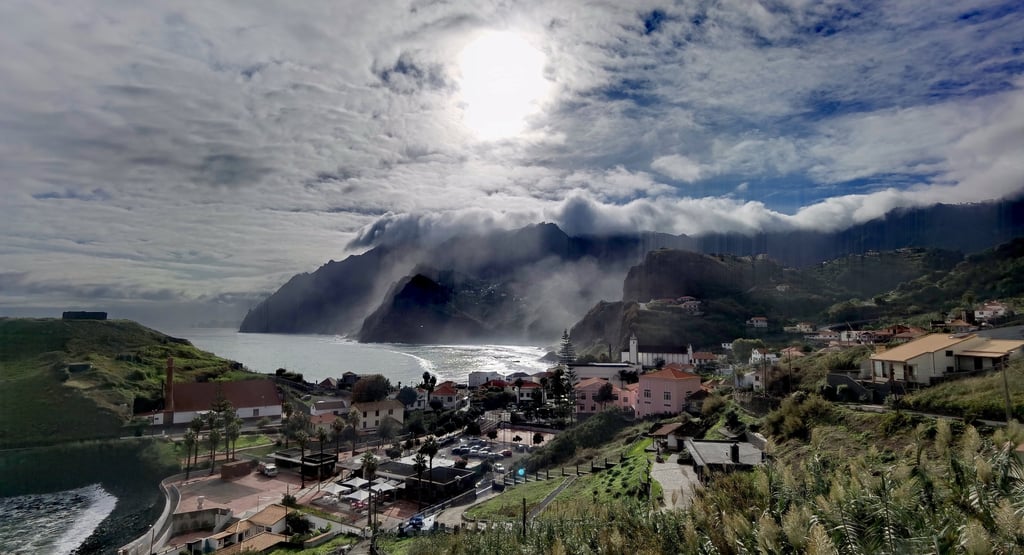
Madeira is a true hidden gem of the Atlantic.
A Portuguese archipelago situated around 1,000 km off the coast of Portugal, comprising the main island (Madeira) and Porto Santo. Nicknamed the ‘Island of Flowers’, it offers striking landscapes, lush mountains and dramatic coastlines.
Climate: Subtropical, mild all year round (17–25°C), ideal for a holiday in both winter and summer.
Languages: Portuguese
In summer 2026, Madeira is set to be an ideal destination thanks to its low-cost direct flights. Numerous flights depart from several European cities such as Paris and Lisbon. Don’t miss the famous levadas, the hiking trails that wind through the island’s unspoilt countryside.
Cape Verde
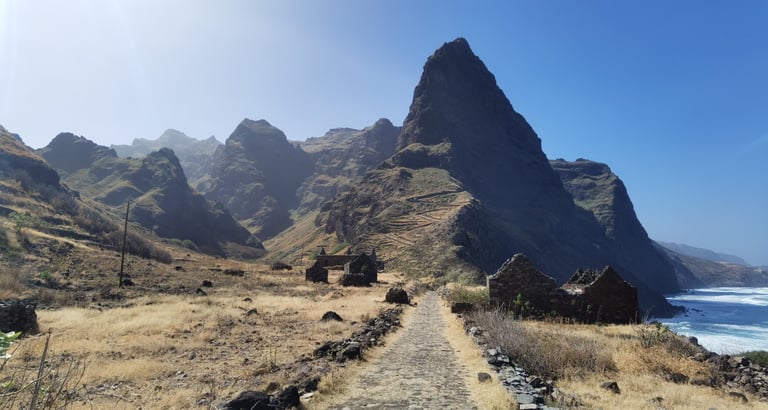
Cape Verde, an archipelago in the Atlantic Ocean off the coast of Senegal, is famous for its volcanic landscapes and fine sandy beaches, offering a unique experience.
There are plenty of affordable flights to these islands from Europe, and France in particular, and the cost of living is much lower than in France.
Enjoy spectacular hikes in the mountains of Santo Antão and relax on the magnificent beaches of Sal. This destination is particularly popular for its safety and hospitality.
10 main islands (nine of which are inhabited), divided into two groups: Barlavento (in the north) and Sotavento (in the south).
Climate: Dry tropical, with pleasant temperatures all year round (24–30°C), a rainy season that is fairly short (August–September) and not particularly pronounced these days!
Culture: A blend of African, Portuguese and Brazilian influences, music (morna, funaná), and legendary hospitality.
Languages: Portuguese (official), Cape Verdean Creole (spoken language); but Cape Verdeans also learn many languages at school, including French.
Focus on Santo Antão, São Vicente and Sal, three islands with a variety of tourist attractions:
The Canary Islands
The Canary Islands are a Spanish archipelago in the Atlantic Ocean, renowned for their mild, subtropical climate all year round, their volcanic landscapes and their diverse range of tourist attractions. The islands are easily accessible from France and Spain, as there are numerous regular and low-cost direct flights throughout the year.
7 main islands: Tenerife, Gran Canaria, Lanzarote, Fuerteventura, La Palma, La Gomera, El Hierro.
Climate: Mild all year round (20–28°C), ideal for a holiday in both winter and summer.
Landscapes: Volcanic in origin, with spectacular scenery, black or golden sandy beaches, mountains and lush forests.
Language: Spanish
Focus on Tenerife, Gran Canaria and La Palma, three islands with complementary attractions:
The Balearic Islands
The Balearic Islands are a Spanish archipelago in the Mediterranean Sea and consist of four main islands: Mallorca, Menorca, Ibiza and Formentera.
They are known for their varied landscapes, Mediterranean climate, rich cultural heritage and a range of tourist attractions to suit all tastes (family holidays, adventure, luxury, relaxation).
The language spoken is Spanish.
These islands are easily accessible from Europe with daily, low-cost flights
Crete
Crete is situated in the southern Aegean Sea and is the fifth-largest island in the Mediterranean.
It combines idyllic beaches, towering mountains, major archaeological sites and a warm, welcoming culture.
Its Mediterranean climate makes it an ideal destination almost all year round.
The official languages are Greek and Cretan, but English is also widely spoken.
The island is easily accessible from Greece; you can even combine a tour with a few days’ stopover in Greece.


Please do not hesitate to contact us if you have any questions!